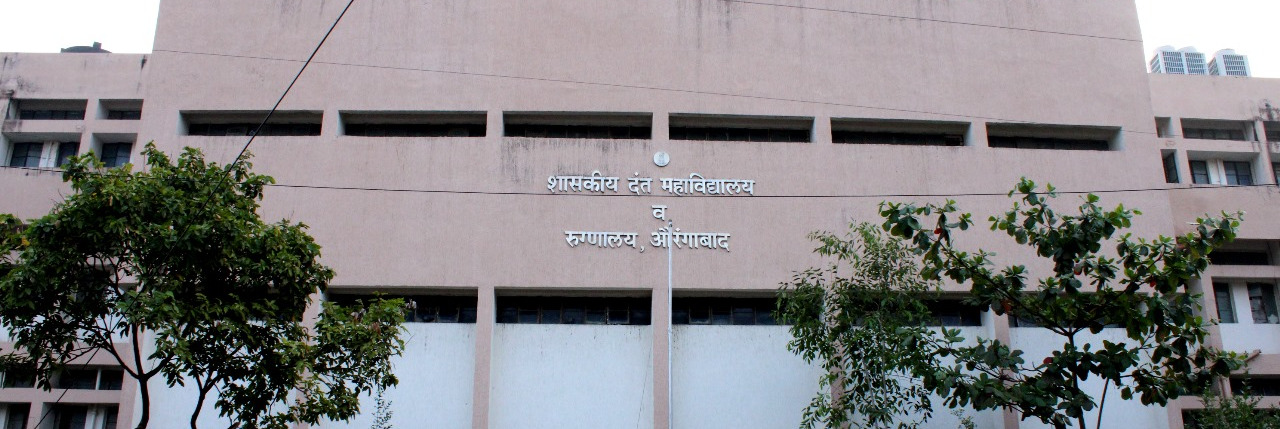
The Right to Information Act, 2005 was passed by the Parliament of India on 15 June 2005 and came into full force on 12 October 2005, replacing the earlier Freedom of Information Act, 2002. The Act extends to the whole of India and applies to all "public authorities," which includes bodies of self-government established under the Constitution, and any authority or body owned, controlled, or substantially financed by the Government.
Under the Act, every citizen has the right to request information from a public authority, which is required to respond expeditiously — within 30 days for most requests, and within 48 hours where the information concerns the life or liberty of a person. The Act also mandates that every public authority computerize its records and proactively publish various categories of information so as to minimize the need for citizens to formally request it.
The Act establishes a three-tier structure for administering RTI requests: the Public Information Officer (PIO) at the public authority level, the First Appellate Authority for appeals against the PIO's decision, and the State or Central Information Commission for second appeals and complaints. It also prescribes penalties for PIOs who fail, without reasonable cause, to furnish information within the specified time or who provide incomplete, misleading, or false information.
View Right To Information Act 2005Section 4(1)(b) of the Right to Information Act, 2005 casts an obligation on every public authority to proactively and voluntarily disclose specified categories of information, so that citizens need minimal recourse to formal RTI applications to access it. This is intended to promote suo motu transparency in the day-to-day working of the institution. The 17 items required to be disclosed under this section include the following:
The Public Information Officer (PIO) is the designated officer responsible for receiving RTI applications and furnishing information to citizens on request, or rejecting the request for reasons specified under the Act. The Assistant Public Information Officer (APIO) receives applications and appeals on behalf of the PIO and forwards them for further processing. The First Appellate Authority is a senior officer, superior in rank to the PIO, before whom an applicant may appeal if dissatisfied with the response received or if no response is furnished within the prescribed time limit.
| Designation | Name |
|---|---|
| First Appellate Authority (प्रथम अपिलीय अधिकारी) |
डॉ. माया संजीव इंदूरकर |
| Public Information Officer (PIO) (जन माहिती अधिकारी) |
श्री. समीर भास्करराव काळुसे |
Applicants may download the prescribed RTI Application Form below and submit the duly completed form, along with the prescribed application fee and proof of payment, to the Public Information Officer either in person or by registered post. The application should clearly and specifically describe the information sought; vague or overly broad requests may result in delay or partial disclosure.
While the use of the prescribed form is recommended for ease of processing, an application need not necessarily be in the prescribed format — a plain written request containing the applicant's name, address, the information sought, and proof of fee payment is equally valid under the Act, provided it is legible and complete.
Download Application FormIf an applicant does not receive the requested information within the prescribed period of 30 days (or 48 hours in matters concerning life or liberty), or is dissatisfied with the decision of the Public Information Officer — whether on account of a rejection, incomplete disclosure, or an excessive fee demand — a First Appeal may be submitted before the First Appellate Authority of the institution.
The First Appeal must ordinarily be filed within 30 days from the expiry of the time limit for response, or from the date of receipt of the PIO's decision. The Appellate Authority may condone a delay beyond this period if sufficient cause is shown for not filing the appeal in time. No fee is prescribed for filing a First Appeal. The Appellate Authority is required to dispose of the appeal within 30 days, extendable up to 45 days for reasons to be recorded in writing.
Download Appeal Form